Turn Agricultural Waste into Reliable Green Energy.
Convert manure, crop residues and food-processing waste into biomethane, electricity and useful heat through modular gas treatment, upgrading, CHP, BESS and remote energy management.
One circular-energy platform for five agricultural scenarios.
The right route depends on feedstock stability, gas quality, electricity and heat demand, grid access, transport economics and the value of digestate. The project should begin with this operating reality, not a membrane or generator quotation.
Livestock farms
Manure treatment, odor control, power, hot water and digestate management for dairy, pig and poultry operations.
Food processing
Breweries, slaughterhouses, sugar, starch and food plants with organic wastewater and process-heat loads.
Palm oil and agro-industry
POME, crop residues and shared utilities for agricultural processing parks and export-oriented production.
Municipal organics
Food waste, wastewater sludge and landfill gas upgraded for local power, heat or gas networks.
Cold chain and greenhouses
Dispatchable energy for irrigation, refrigeration, crop drying, greenhouse heating and remote communities.
Four routes from the same biological molecule.
Select a route to see how the gas, power and storage modules change with the customer's commercial objective.
Use biogas or biomethane as dispatchable farm energy.
Suitable for weak-grid farms and processing sites with continuous electricity, hot-water or steam demand. Gas quality and engine compatibility determine whether direct biogas use or full upgrading is preferred.
Produce biomethane for pipeline injection or contracted gas supply.
The upgrading and measurement system is engineered against the receiving network's gas-quality, pressure, metering and sustainability requirements.
Move renewable gas to vehicles or customers beyond the pipe.
Compression or liquefaction can serve agricultural fleets, logistics, islands and distributed gas users when scale and transport economics support the route.
Coordinate renewable gas, solar and storage around agricultural production.
Biomethane generation supplies firm power, PV reduces daytime fuel use, BESS manages transients and the EMS prioritizes cold storage, irrigation, greenhouse and processing loads.
From feedstock interface to the final energy product.
Gas upgrading is only one stage. Stable performance depends on pretreatment, digestion, gas storage, desulfurization, drying, compression, membrane design, gas-quality control and the downstream energy application.
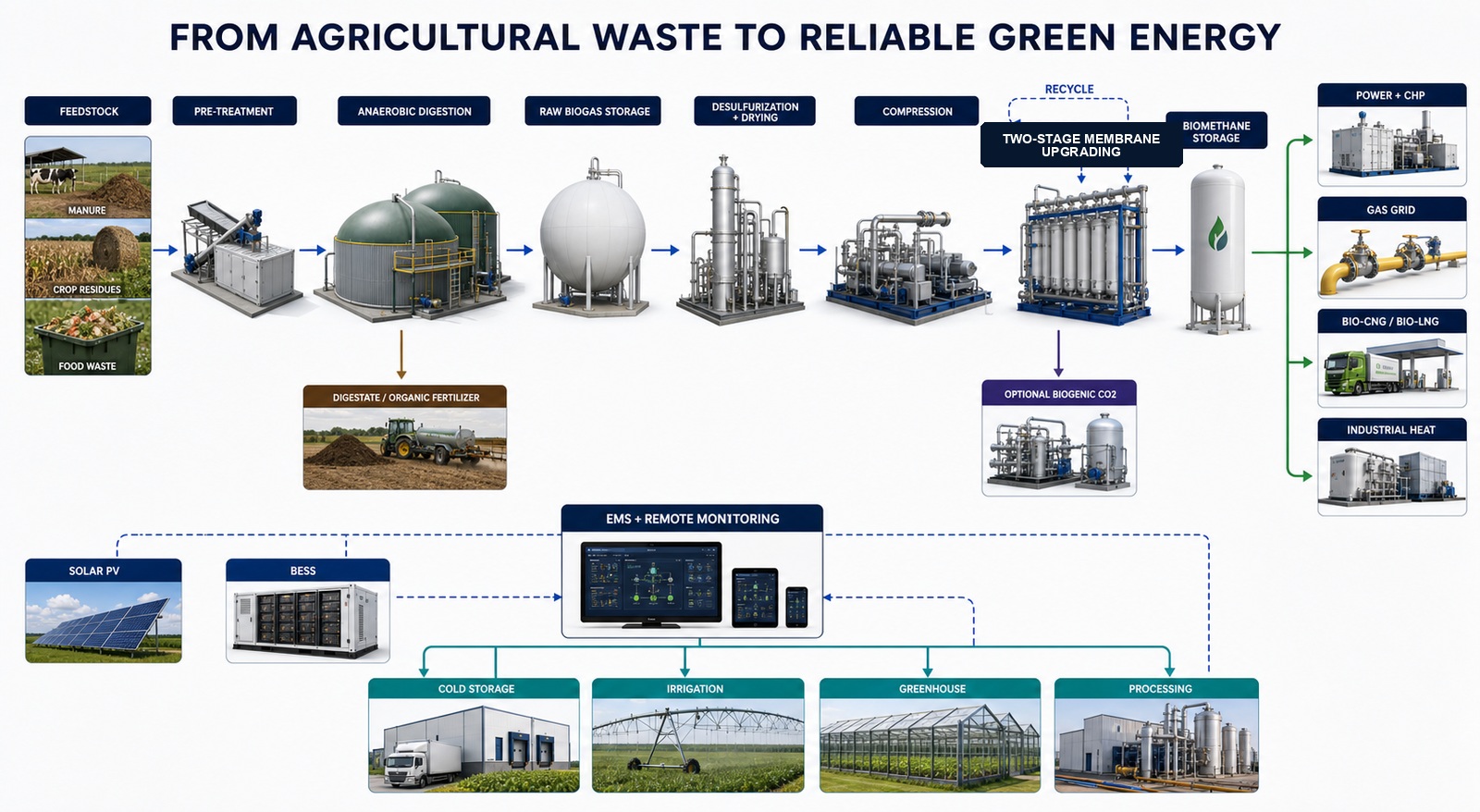
Configure the whole package or only the missing stage.
Every functional package can be supplied independently, expanded later or connected to the customer's existing digestion, gas storage, generation or electrical system.
Feedstock and digestion interface
Define gas availability, pressure, composition, seasonal variation and the battery limits between biological process and energy system.
Desulfurization and filtration
Remove hydrogen sulfide, particles and project-specific contaminants before compression, membrane separation or engine use.
Refrigerated or adsorption drying
Select direct cooling, indirect cooling or adsorption duty according to flow, pressure, dew point, climate and hazardous-area requirements.
Compression package
Match feed and recycle compression to the membrane stages while managing energy consumption, turndown and maintenance access.
Two-stage membrane upgrading
Separate carbon dioxide from methane with recycle control to balance product purity, methane recovery and compression energy.
Gas quality measurement
Monitor methane, carbon dioxide, oxygen, moisture and other required parameters before storage or delivery.
Storage and pressure regulation
Buffer production and consumption, regulate delivery pressure and prepare biomethane for power, pipeline or transport applications.
Gas engine and CHP
Convert available gas into dispatchable electricity and recover useful heat for digestion, greenhouse or process demand.
PV, BESS and EMS
Combine firm biomethane power with solar generation, transient support, load shifting and priority-load dispatch.
Remote monitoring and O&M
Coordinate alarms, gas quality, energy dispatch, preventive maintenance, spare parts and local service workflows.
Built for Local Integration. Ready for Evolving Markets.
As European market-access, certification and localization requirements continue to evolve, CIMC ENRIC can work with qualified local partners to configure compliant delivery routes, local assembly and lifecycle service. Each stage can be supplied as an integrated package or modular equipment for secondary assembly, integration and local value addition.
Complete Packaged System
Factory-integrated, preassembled and pretested skid or container packages with defined site interfaces.
Skid-by-Skid Delivery
Separate pretreatment, drying, compression, membrane, storage, power and electrical packages for phased execution.
Local Assembly Package
Core equipment, interface design, control logic and engineering data combined with qualified local fabrication and final assembly.
Retrofit & Partner Integration
Add or replace modules around an existing digester, gas plant, generator, storage system or agricultural microgrid.
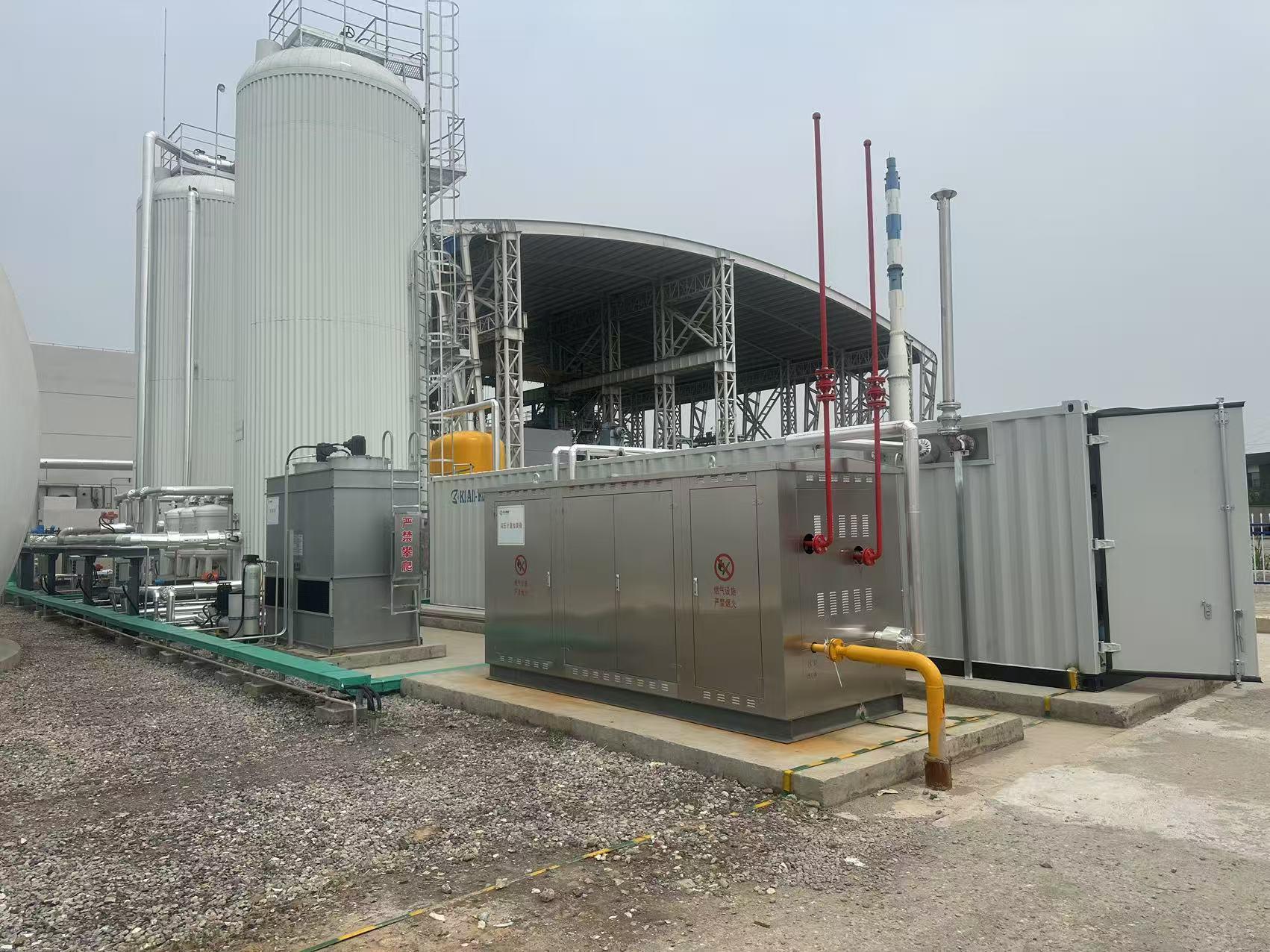
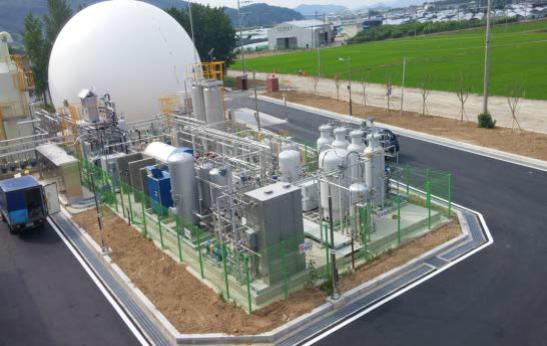
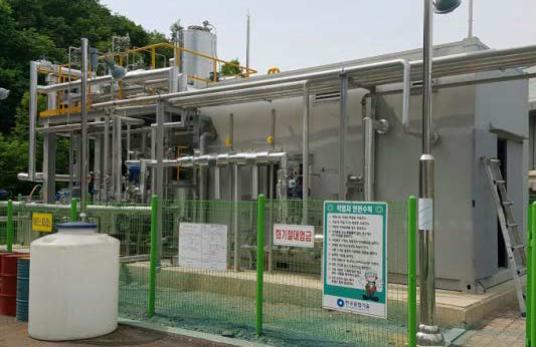
Use proven equipment ranges as a starting point, then engineer the real gas.
Reference capacities support early screening. Final performance follows raw-gas composition, contaminants, moisture, temperature, pressure, flow variability, pretreatment and the required product-gas specification.
Send the gas and the load, not just a project name.
We will use the feedstock, raw-gas condition, energy demand and target product to prepare an initial process boundary and modular delivery route.
First output: recommended route, missing data, preliminary module chain and local-integration questions.
Questions that determine the real project route.
What is the difference between biogas and biomethane?
Raw biogas normally contains methane, carbon dioxide, moisture and trace contaminants. Biomethane is upgraded gas with carbon dioxide and contaminants reduced to a specification suitable for the selected power, grid or transport application.
Can biogas be used directly for farm power?
Yes, when the gas quality is compatible with the engine and the site has adequate gas cleaning, drying, storage and controls. Upgrading to biomethane may be preferred when the gas will also be injected, transported or stored at higher pressure.
Can a farm combine biomethane, solar PV and battery storage?
Yes. A hybrid microgrid can use biomethane generation as dispatchable power, PV for daytime fuel displacement, BESS for transient support and an EMS to coordinate agricultural loads.
Can an existing biogas plant be upgraded in stages?
Yes. Gas drying, desulfurization, compression, membrane upgrading, storage, generation and controls can be configured as separate modules and connected to an existing digestion and gas collection system.
Can biomethane equipment be assembled locally in Europe?
Projects can be structured for complete packaged delivery, skid-by-skid delivery or local secondary assembly with qualified partners. The final route must be engineered against applicable certification, hazardous-area, pressure-equipment, origin and local installation requirements.
Can individual treatment and power modules be supplied separately?
Yes. Standardized mechanical, electrical and control interfaces allow selected modules to be supplied, expanded, replaced or integrated with existing customer equipment.
How can local EPC and service partners participate?
Depending on contract scope, local partners may support structural fabrication, piping, electrical balance of plant, final assembly, installation, certification coordination, spare parts and lifecycle service.
What data is required for an initial biomethane assessment?
The first assessment requires feedstock type and daily volume, raw biogas flow, methane concentration, hydrogen sulfide, moisture and contaminants, pressure, temperature, seasonal variation, energy demand, desired gas use and project location.
European delivery routes must be confirmed against the requirements applicable to the final scope and location. Useful official references include the European Commission's biomethane policy page, CE-marking guidance and applicable hazardous-area and pressure-equipment rules.