
CIMC ENRIC Energy Systems · Project owners, dealers and EPCs · Gas generation selection
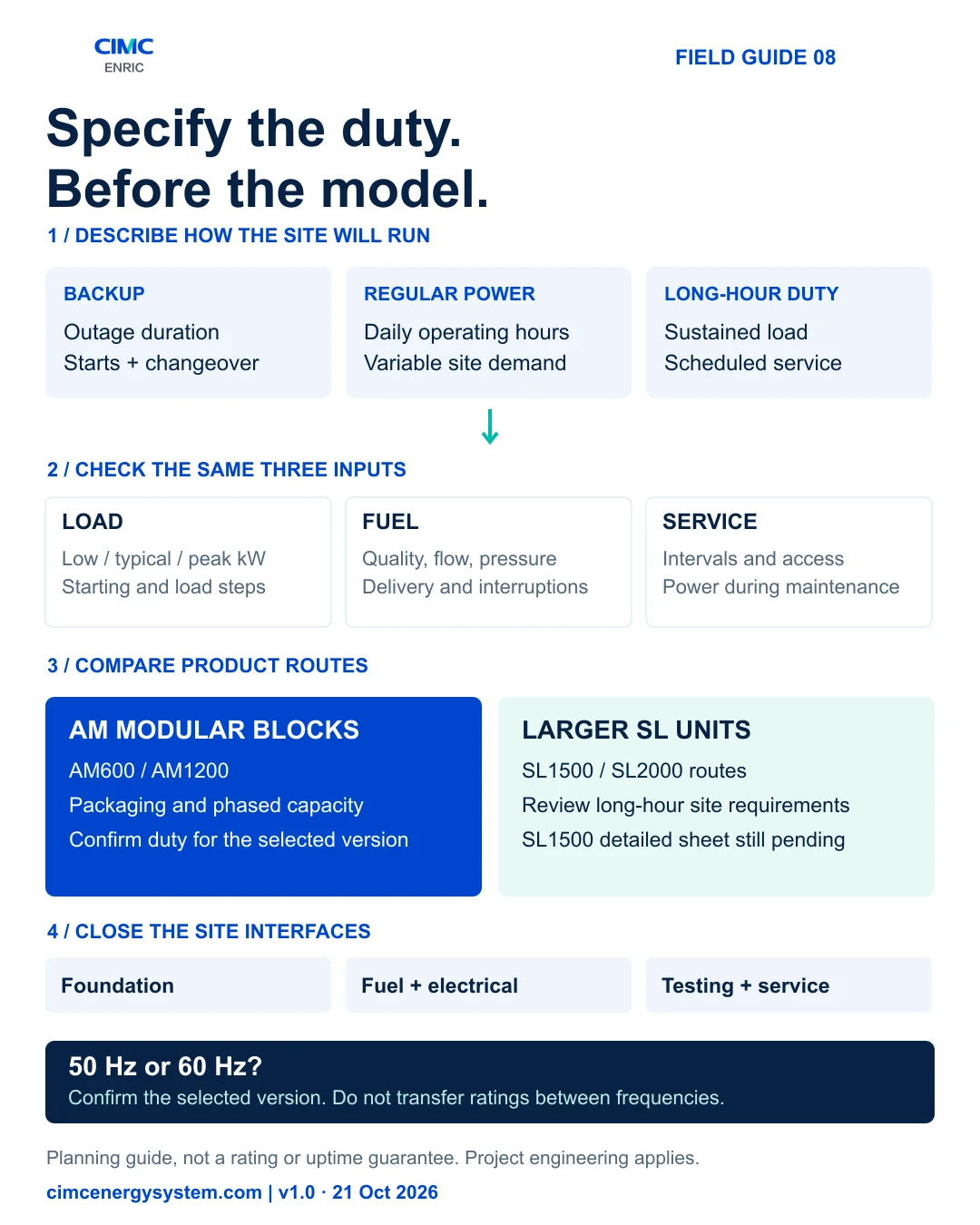
Choose a gas generator around the site's operating duty, then its power requirement. Daily hours, load variation, fuel continuity, maintenance access and reserve capacity belong in the specification alongside kW. AM modular packages and larger SL units provide different configuration routes; the selected version's rating and site conditions determine what it can deliver.
1. Put the operating pattern before the model name
A tower with recurring outages, a mine with a sustained process load and a factory needing emergency support may specify similar peak power. They still need different power systems. Ask how many hours the generator must run, what load it carries through those hours, how often it starts and which loads can tolerate interruption.
Request the supplier's applicable rating category, permitted operating envelope, maintenance schedule and reference conditions. A standby figure is not a promise of unrestricted continuous output. Daily runtime and the interval between service visits are separate quantities. Neither an AM nor an SL model name settles those questions by itself.
- Backup: document outage duration, changeover, starting loads and battery recharge, if applicable.
- Regular site power: document low, typical and peak demand, load steps and the daily operating schedule.
- Long-hour generation: document sustained load, fuel continuity and how critical demand remains supplied during service.
2. Read AM and SL as configuration routes
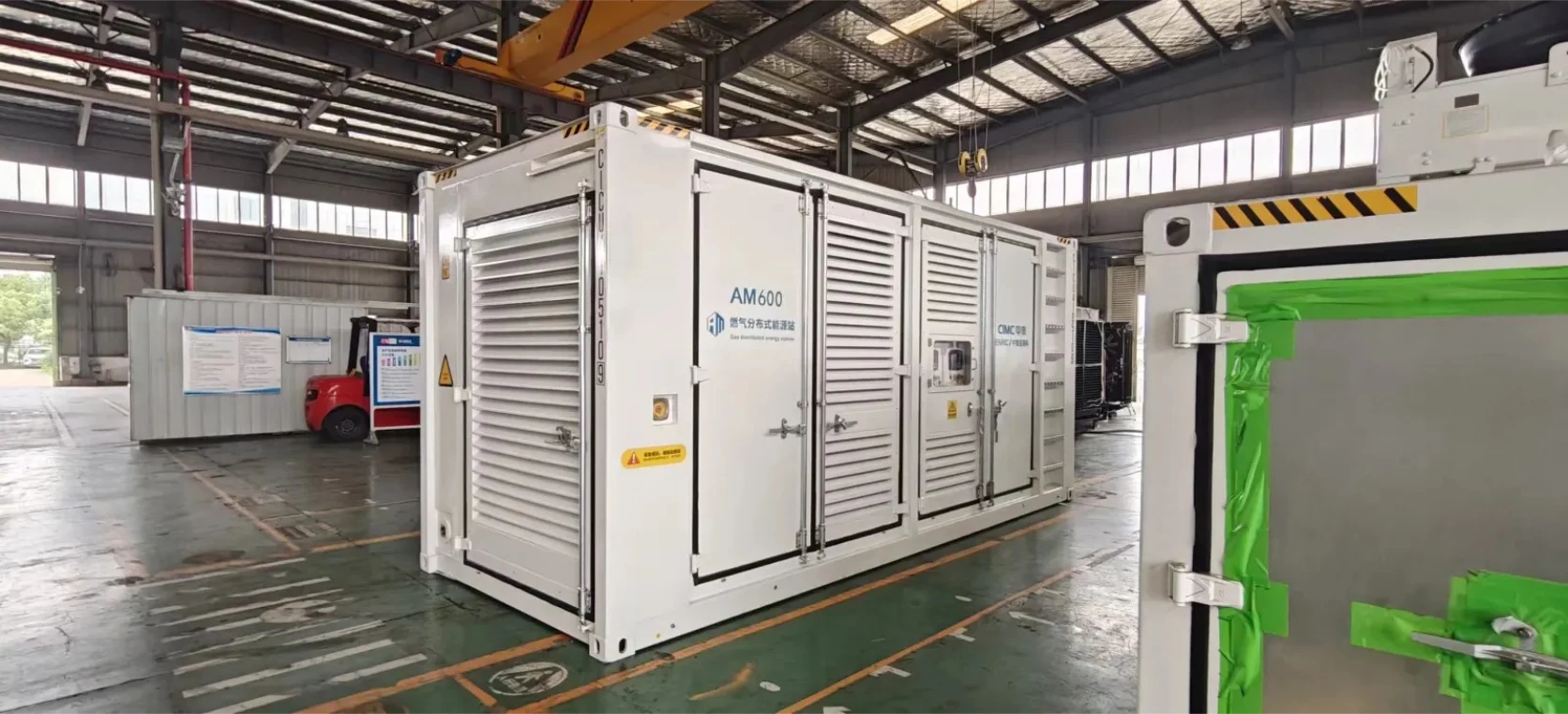
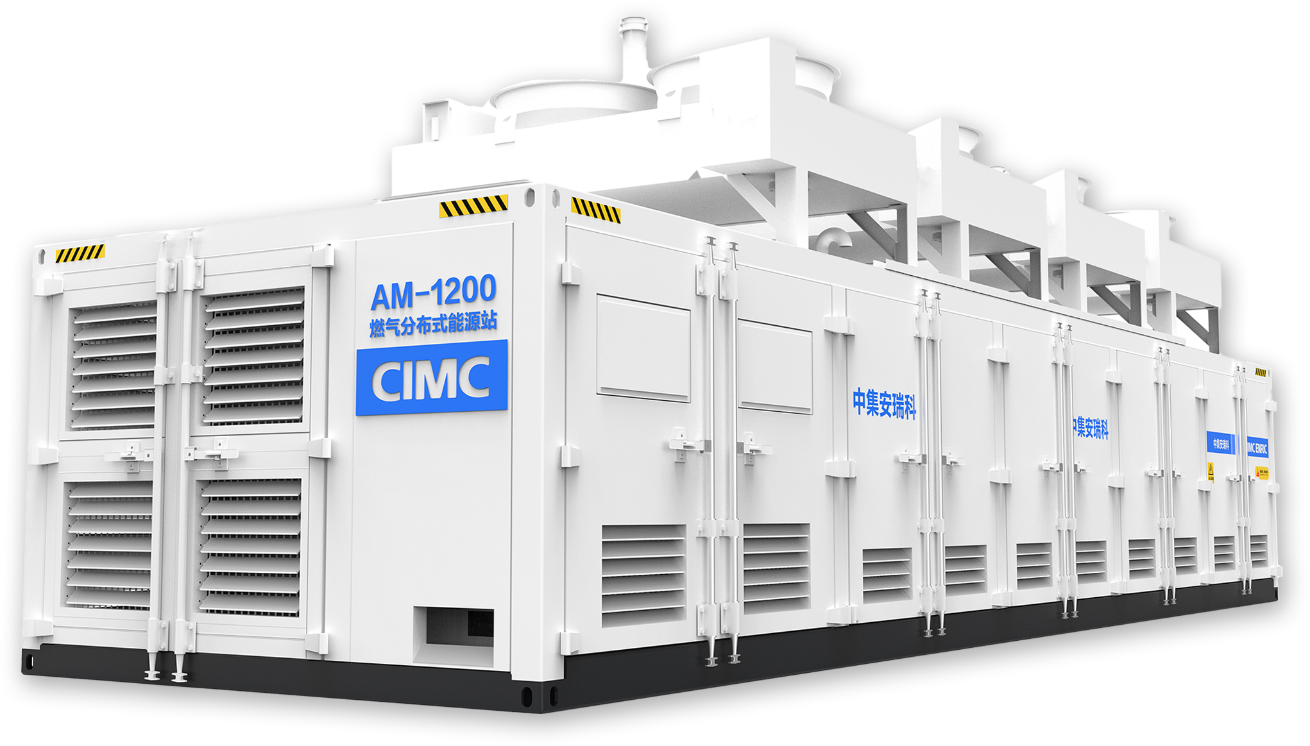
The current AM product overview presents a 600 kW AM600 in a single standard 20-ft high-cube package and a 1.2 MW AM1200 power block. Packaging can organize transport and installation; it does not remove the need to confirm rated duty or local interfaces.
| Product route | Published or supplied reference | What to confirm for the project |
|---|---|---|
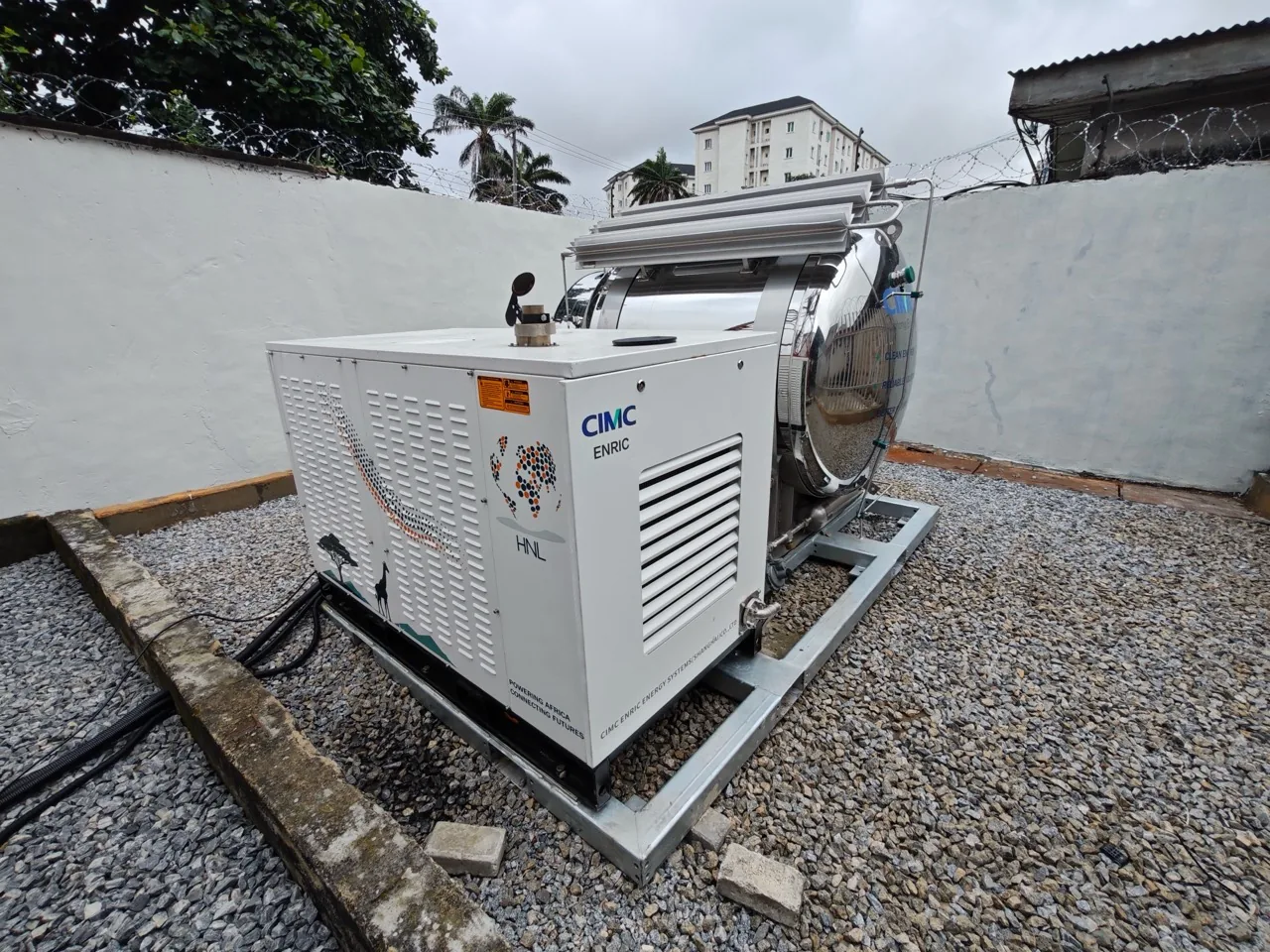
| AM20 | 20 kW rated / 22 kW standby in the published telecom project reference | Selected duty and frequency, LNG supply and maintenance access. Initial site testing is underway; measured operating results are not established here. |
| AM600 | 600 kW package; single standard 20-ft high-cube arrangement | Available site output, fuel version, access, noise and electrical boundary. |
| AM1200 | 1.2 MW modular block; the current website describes four 300 kW generator modules | Module dispatch, shared auxiliaries, reserve philosophy and expansion interfaces. |
| SL1500 | 1,500 kW product-line position confirmed by CIMC; detailed project data sheet pending | Specific configuration, duty rating, frequency and guaranteed performance before selection. |
| SL2000-NG | A-type: 2,000 kW; B-type: 2,300 kW in separate published product references | Applicable variant, fuel and ambient basis, frequency, maintenance and any heat-recovery scope. |
These rows describe different reference bases, not equivalent guaranteed site ratings. The SL2000-NG page presents separate A and B variants. The larger SL route can be assessed for long-hour duty, while AM blocks can also be assessed for regular generation: annual hours alone do not impose a universal boundary between the families.
3. Compare maintenance and reserve with capacity
Ask what happens while a unit is stopped. Which loads must remain supplied? Can another unit, the grid or another agreed source carry them? Smaller blocks may allow staged dispatch and maintenance, but independence depends on the gas train, cooling, controls and electrical connections. Several engines sharing one critical auxiliary are not automatically independent reserves.
Define the minimum load to retain during planned maintenance and an unplanned trip, the available derated output of the remaining units and who supplies parts, technicians and remote support. Discuss service access, lifting arrangements and the time required for a realistic repair. Avoid treating a nominal N+1 label as an availability guarantee without those boundaries.
4. Specify fuel, frequency and installation together
Send the gas analysis and supply envelope with the load profile. Composition, pressure, flow and interruptions can change the engine and upstream preparation scope. More nameplate capacity cannot resolve unsuitable or unavailable fuel.
State 50 Hz or 60 Hz explicitly. Also state voltage, grid or island operation, synchronizing requirements and motor-starting duty. Ask for the exact frequency configuration and its data sheet; do not assume identical output, speed or auxiliaries across versions. The published AM20 telecom reference is 50 Hz. A 60 Hz requirement needs confirmation for the selected product and configuration.
For a packaged AM600, “plug-and-play” describes an organized equipment package. Foundations, transport and crane access, gas piping, cable routes, ventilation, exhaust, protection settings, permits and commissioning still need owners. Factory integration in China and local skid assembly can be discussed against an agreed scope; neither transfers site responsibilities automatically.
5. Use field evidence at its actual stage
The AM20 telecom deployment documents the first unit at site and initial testing. It is useful evidence of the equipment arrangement and deployment process. Runtime, fuel consumption, acceptance and remote operating results should be added only when verified. Separately, the Nigeria AM600 oilfield reference is contract signed and under execution; it is not presented here as an operating-performance result.
Questions customers ask
Can a modular gas generator run every day?
A modular layout alone does not answer this. Confirm the selected unit's duty rating, load profile, fuel conditions, maintenance schedule and power provision during downtime. Bring daily hours and annual operating expectations to the engineering review.
Should a long-hour project always choose the largest unit?
No. Compare the sustained load, load steps, part-load operation, service reserve, site access and fuel system. A larger unit and several smaller blocks create different operating and maintenance arrangements. Select using project data rather than model size alone.
Prepare one usable project brief
Share your country and site, low/typical/peak kW, daily operating hours, major starting loads, fuel report and delivery conditions, voltage/frequency, grid connection, critical loads during maintenance, available footprint and target date. Mark unknowns instead of guessing. The downloadable input checklist gives your team a common starting point.
Discuss your gas generator configuration with CIMC ENRIC.
Product references and scope
Reviewed 21 October 2026: AM series overview; SL2000-NG A/B references; the linked AM20 and Nigeria AM600 project pages. SL1500 is retained from the CIMC-confirmed product-line brief; its detailed sheet is pending. This is an initial selection guide, not a quotation, maintenance guarantee or a substitute for the selected configuration's approved data sheet.